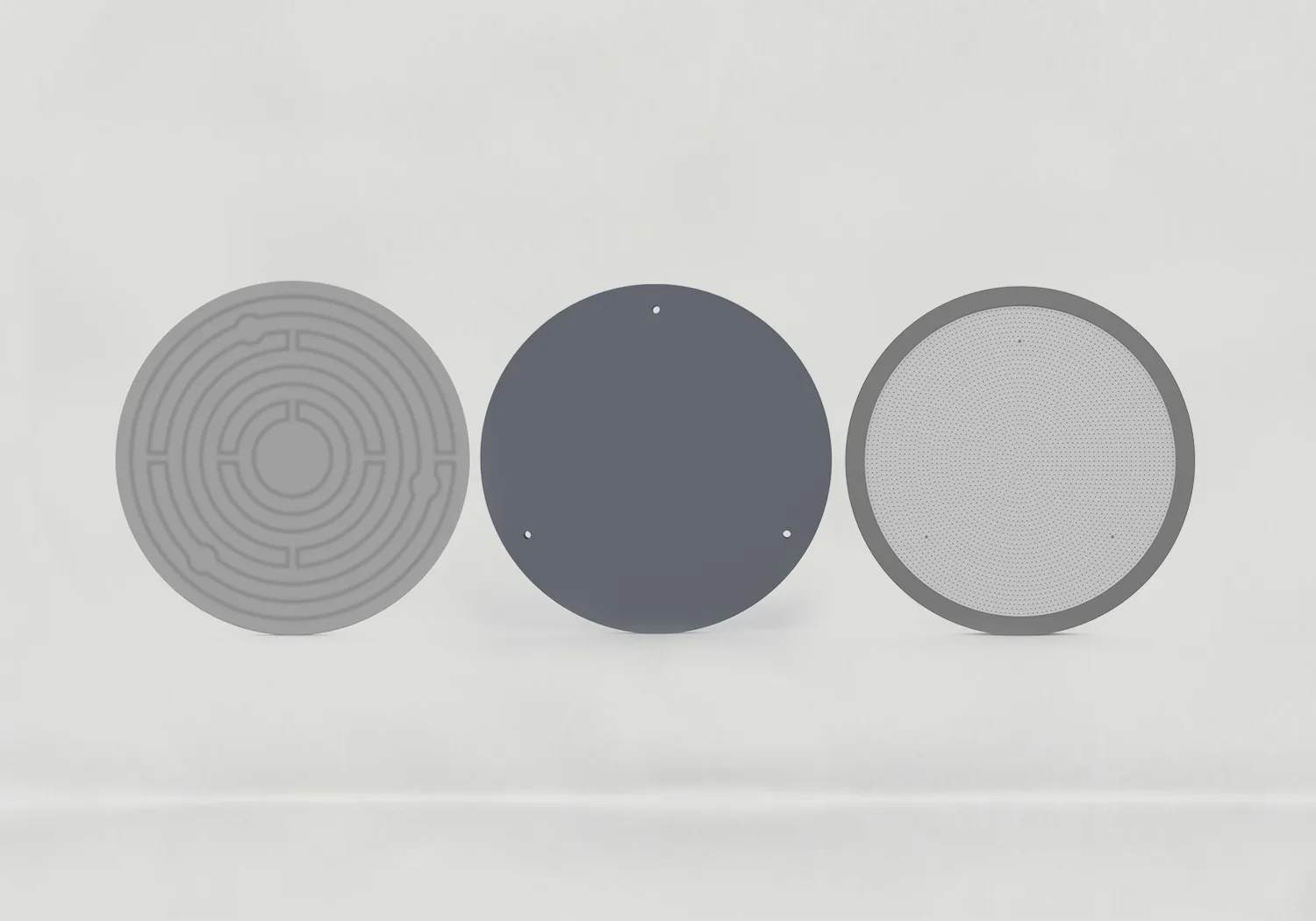

In commercial aerospace launch, in-orbit detection, and precision aerospace equipment, the core components that hold and secure aerospace payloads must integrate dual core functions of temperature control and impact resistance, imposing extremely stringent requirements on material properties. They need to possess ultra-high thermal conductivity and efficient temperature control adaptability for precise and uniform temperature regulation of payloads in orbit; closely match the coefficient of thermal expansion of core aerospace devices to ensure that ultra-thin, large-size precision components remain stress-free and distortion- free under wide-temperature-range high-low temperature cycling and severe mechanical impact; and simultaneously provide high mechanical strength, high electrical insulation, resistance to cosmic high-energy radiation, and resistance to extreme space media erosion. These properties are key determinants of launch stability, in-orbit operational precision, and service life of aerospace equipment.
Core components of commercial aerospace equipment operate for extended periods in extreme
Operating environments characterized by wide-temperature-range alternating temperatures, strong radiation,
high vacuum, severe mechanical impact, and ultra-high cleanliness.
By selecting aerospace-grade silicon carbide (SiC) material, employing customized structural
optimization design, strictly controlling aerospace-grade machining accuracy, and applying special anti-
radiation surface treatments, the resulting high-precision structural components meet the demanding
requirements of extreme stability, low contamination, long service life, and high reliability for aerospace
applications, contributing to the high-quality development of the commercial aerospace industry.